info@tech-link.cn

Base Compounding

TECH-LINK is one of the silicone base manufacturers since 1999. As a leading & professional USA & Vietnam & Europe based silicone product factories with over 20+ years, our company manufactures a wide selection of silicone rubber products, from raw materials to components at wholesale factory prices.

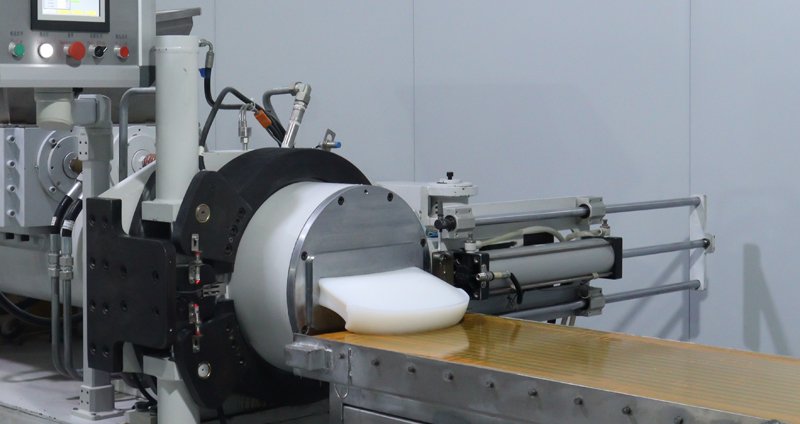
Base Compounding is the process of blending raw silicone polymers (typically polydimethylsiloxane, PDMS) with additives, fillers, and curing agents to create a functional silicone material optimized for specific applications. This step transforms the base polymer into a usable product with enhanced mechanical, thermal, or chemical properties. Below is a concise yet comprehensive overview:


1. Core Components of Silicone Compounds

  • Base Polymer:

    • PDMS: The backbone of most silicones, available in varying molecular weights (low-viscosity fluids to high-viscosity gums).

  • Fillers:

    • Reinforcing (e.g., fumed silica): Boost tensile strength, tear resistance, and hardness.

    • Extending (e.g., calcium carbonate): Reduce cost or adjust density/thermal properties.

  • Crosslinkers:

    • Peroxides (e.g., dicumyl peroxide): For heat-activated vulcanization (HTV silicones).

    • Si-H Silanes (e.g., tetraethoxysilane): Enable platinum-catalyzed hydrosilylation (used in LSRs).

  • Additives:

    • Pigments (e.g., iron oxides), flame retardants (e.g., alumina trihydrate), thermal conductors (e.g., boron nitride), plasticizers (silicone oils), and adhesion promoters (e.g., epoxy-functional silanes).


2. Key Process Steps

  1. Mixing:

    • High-shear mixing (e.g., Banbury mixers, two-roll mills) ensures uniform dispersion of fillers/additives into the PDMS base.

  2. Deaeration:

    • Vacuum degassing removes air bubbles to prevent voids in final products.

  3. Curing:

    • HTV: Heat + peroxide → Crosslinking (e.g., automotive gaskets).

    • LSR: Platinum catalyst + heat → Fast, precise curing (e.g., medical devices).

    • RTV: Moisture or ambient curing (e.g., sealants).


3. Customizing Properties

  • Softness/Hardness: Adjust filler content (e.g., silica for hardness, silicone oil for softness).

  • Thermal Stability: Add phenyl groups or ceramic fillers for high-temperature resistance (up to 300°C).

  • Electrical Insulation: Ultra-pure PDMS + silica for dielectric applications (e.g., electronics).

  • Biocompatibility: Platinum-cured, filler-free LSR for medical implants.


4. Common Challenges

  • Filler Agglomeration: Poor dispersion reduces mechanical performance.

  • Viscosity Control: Balancing filler loading with processability.

  • Cure Inhibition: Contaminants (e.g., sulfur, amines) can deactivate catalysts.

  • Thermal Degradation: Overheating during mixing can break Si-O bonds.


5. Industrial Applications

  • Automotive: Seals, hoses, ignition cables (heat/oil resistance).

  • Medical: Implants, tubing, baby bottle nipples (biocompatibility).

  • Electronics: Encapsulants, thermal interface materials (dielectric properties).

  • Construction: Weatherproof sealants, fire-resistant coatings.


6. Innovations & Sustainability

  • Recycled Silicones: Reprocessing scrap into new compounds.

  • Bio-based Additives: Using plant-derived fillers/plasticizers.

  • Low-VOC Formulations: Reducing volatile organic compounds in RTVs.


Why It Matters

Base compounding tailors silicones to meet precise requirements, leveraging their inherent flexibility, thermal stability, and chemical inertness. From soft medical-grade LSR to rigid automotive HTV, the process unlocks silicone’s versatility across industries.